
Your dental plan may be holding money for you right now, and when your benefit year ends, any unused amount usually disappears. If you have PPO coverage through your job, a quick check today may help you avoid paying more out of pocket later. Here is what happens to unused benefits, which treatments to schedule first, and how to find out what you have left.
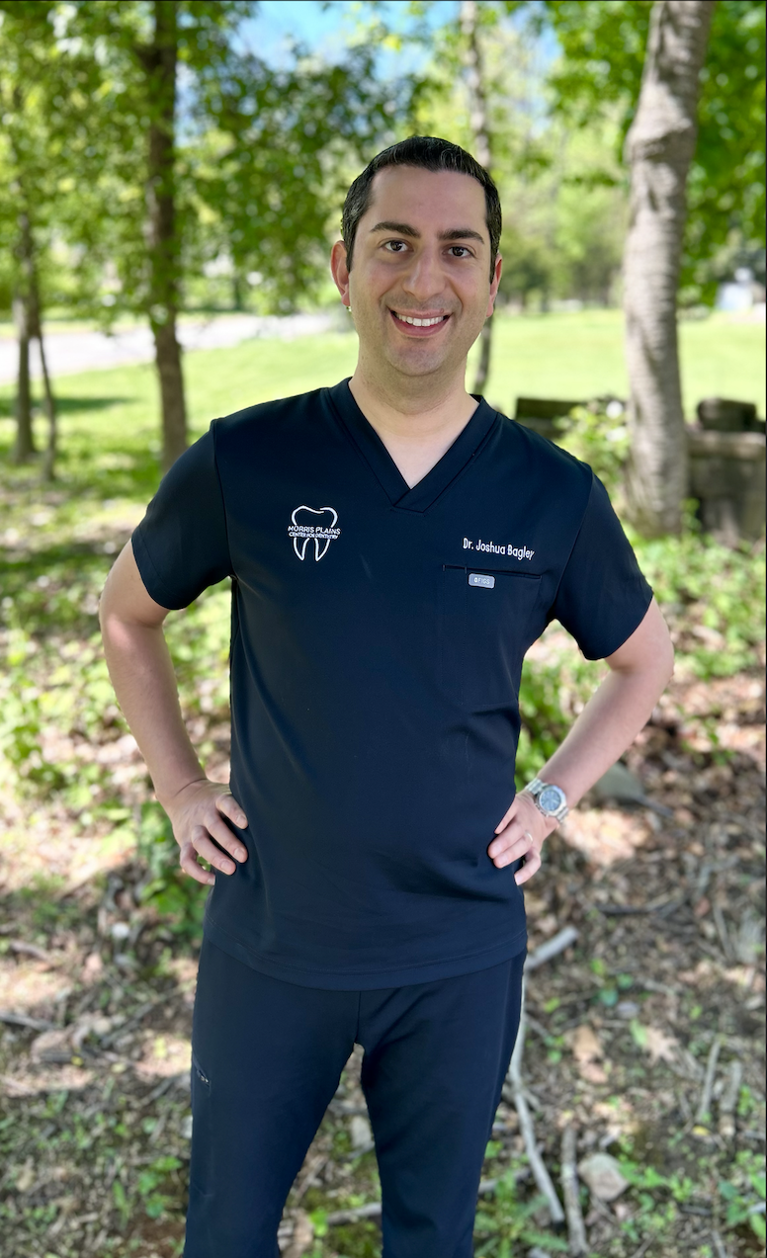
When it comes to PPO dental insurance plans, our team at Morris Plains Center for Dentistry, led by Dr. Joshua Bagley, helps patients across Morris Plains, Parsippany, Denville, Randolph, and Morristown plan care around their coverage. We work with carriers such as Delta, Guardian, Horizon, Cigna, and Aetna, and we process claims on your behalf.
What Happens to Unused Dental Benefits at Year End
Most PPO plans set an annual maximum, which is the most the plan pays toward your covered care in one benefit year. When that year ends, the maximum resets, and unused dollars typically do not carry over, although a few plans offer limited rollover. Your benefit year may follow the calendar year or start on another date, so check your plan documents or call your carrier.
Your deductible usually starts over at the same time. A 2024 analysis from the ADA Health Policy Institute found that only 3.4 percent of dental patients reach the typical annual maximum. That suggests many patients finish the year with coverage left over, and once the year turns over, that coverage usually does not carry over into the next one.
Dental Care to Schedule Before Your Benefits Reset
Not every treatment fits every plan, but several common services may be worth a closer look before your benefits reset. Many plans cover preventive care at a higher percentage than they do basic or major services, making routine cleanings and exams a smart place to start. Here are a few services to ask about:
- Preventive visits: routine checkups let us spot early signs of decay or gum trouble before they grow.
- Fillings: treating a small cavity with a composite filling now is often simpler than waiting until the tooth needs more work.
- Major restorations: a cracked, heavily filled, or missing tooth may call for a crown or bridge, which many plans cover at a lower percentage than preventive care.
- Tooth pain: ongoing sensitivity or a toothache is a reason to seek care soon, and root canal treatment may save a tooth with an infected nerve.
Cosmetic services such as Zoom! teeth whitening and SimplyClear aligners are often not covered by dental plans, though coverage depends on your policy. If a tooth is causing you pain, we offer same-day appointments for dental emergencies, so you do not have to wait for a routine opening.
Planning Larger Treatment Across Two Benefit Years
If you need a bigger treatment plan, such as a dental implant to replace a missing tooth, timing may matter. Some patients split care across two benefit years so each year’s maximum can help with part of the cost. Whether that makes sense depends on your plan, timeline, and the urgency of the treatment, so we review those details with you before anything is scheduled.
Waiting is not always the better choice. Delaying needed care can allow a problem to grow, and coinsurance still applies once your maximum resets, so the savings may be smaller than you expect.
How to Find Out What Benefits You Have Left
Start by logging in to your insurance carrier’s website or calling the number on your card. Ask for your annual maximum, how much you have used so far, your remaining deductible, your benefit renewal date, and the coverage percentages for the services you are considering. Also ask about waiting periods and frequency limits, since some plans cap how often they cover certain services.
Our team can help with this step. We review your benefits with you, process claims on your behalf, and work with most dental insurance plans. Please call to confirm we accept your plan. If you do not have insurance, we also offer an in-house membership plan and accept CareCredit financing. Evening appointments on Wednesdays and Thursdays may suit new patients with full workdays.
Use Your Benefits Before They Reset at Morris Plains Center for Dentistry
For over 30 years, our practice has served Morris County families with honest, comfortable care. Dr. Joshua Bagley earned his DMD from Rutgers School of Dental Medicine, completed a General Practice Residency at New York Medical College, and only recommends the dentistry you need to maintain your oral health.
Do not let another benefit year slip by with unused coverage. Contact our office to schedule your visit at Morris Plains Center for Dentistry, and we can help you build a plan that fits your benefits and your budget.