 Losing a tooth changes more than your smile. It can shift the way you chew, the way you speak, and even the shape of your face as the jawbone beneath the gap begins to change. If you’ve been told you need to replace a missing tooth, or you’re already wearing a denture or bridge that no longer feels right, you’ve likely heard dental implants mentioned as the long-term solution. What you may not have heard is that not every patient walks into a consultation and immediately qualifies, and the questions your dentist asks along the way say a lot about whether the procedure will actually succeed.
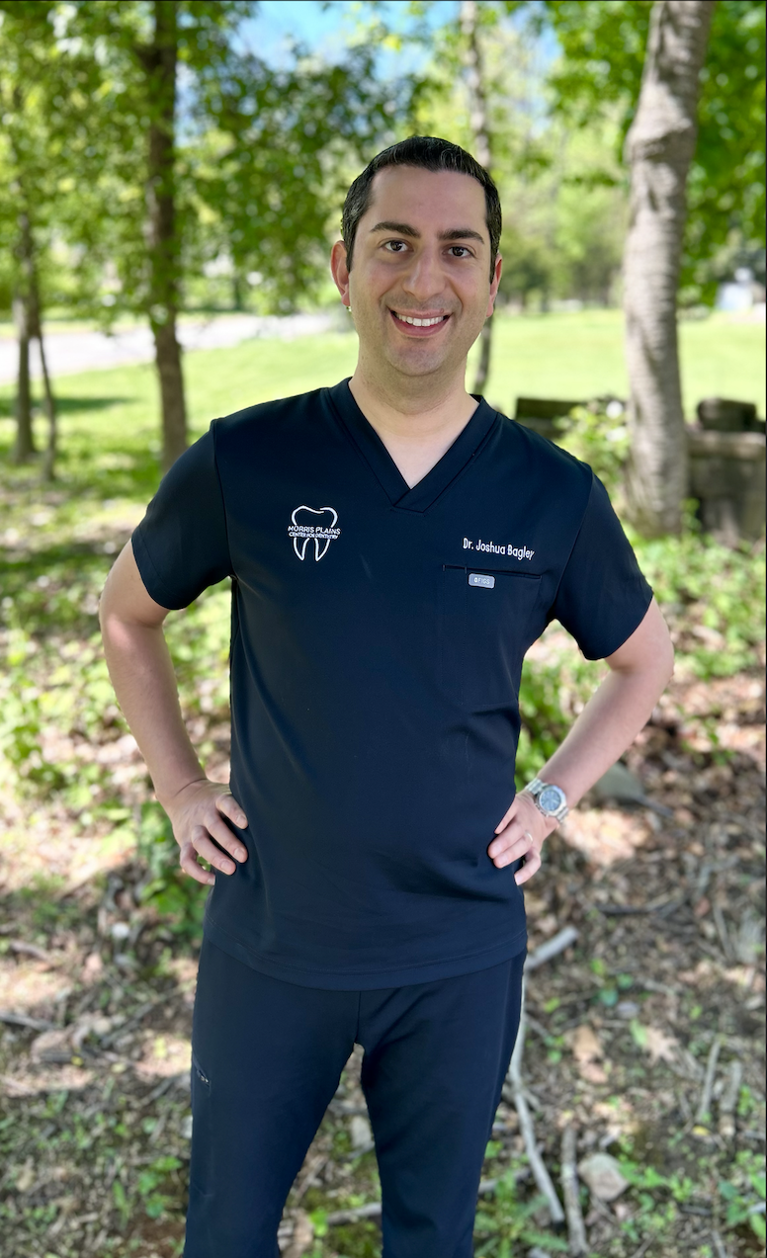
At Morris Plains Center for Dentistry, Dr. Joshua Bagley evaluates every implant candidate using a combination of clinical exam, digital imaging, and an honest conversation about your health history before recommending treatment. Rather than assuming dental implants are right for you, or telling you they’re not an option without a full evaluation, we walk you through exactly what determines candidacy so you can make an informed decision. Here are the key questions worth asking, and the ones your dentist should be asking you.
Do You Have Enough Jawbone to Support an Implant?
A dental implant only works if the surrounding bone can hold it firmly in place. When a tooth has been missing for a while, the jawbone in that area naturally begins to shrink because it no longer receives the stimulation that chewing provides. This is one of the most common reasons a patient is told they need an additional step before implant placement.
Ask your dentist directly what your bone volume looks like on your scans and whether bone grafting will be part of your treatment plan. A skilled provider will show you the imaging, not just describe it. Grafting has become a routine, well-established part of implant dentistry, and needing it does not mean you are a poor candidate. It simply means your treatment plan may include one extra step before placing the implant itself.
What Is the Condition of Your Gums?
Healthy gum tissue is just as important as bone density. Active gum disease, sometimes called periodontal disease, has to be treated and stabilized before implant surgery can move forward safely. Placing an implant into inflamed or infected tissue significantly raises the risk of failure down the road.
If you have noticed bleeding when you brush, persistent bad breath, or gums that have pulled away from your teeth, mention it during your consultation even if you assume it is unrelated to the implant conversation. Many patients need periodontal treatment or a deep cleaning first. Our cleaning and exam appointments often catch these issues early, well before a patient ever brings up implants.
Do Your Medical Conditions or Medications Affect Healing?
Certain health factors can complicate osseointegration, the months-long process in which the implant fuses with your jawbone. Uncontrolled diabetes, autoimmune conditions, active radiation treatment, and long-term use of certain bone-affecting medications, such as bisphosphonates, are all things your dentist needs to know about upfront.
According to the CDC’s Oral Health Surveillance Report, the mean number of permanent teeth decreases with age, from 27 teeth among adults aged 20 to 34 to closer to 20 teeth among adults 75 and older, a trend closely tied to the same chronic health conditions that can also affect implant healing. This is exactly why a thorough medical history review, not just a glance at your chart, belongs at the start of every implant consultation. Ask your dentist how they coordinate with your physician if you have a condition that could impact bone healing. Age itself is rarely a disqualifying factor. Your underlying health picture matters most.
Are You a Smoker?
Smoking is one of the more direct threats to implant success because it restricts blood flow to the gums and slows healing at exactly the stage when the implant needs to be fusing with bone. Patients who smoke are not automatically excluded from treatment, but honesty about tobacco use changes how your dentist times the procedure and what precautions get built into your aftercare plan.
If quitting or cutting back before surgery is realistic for you, ask your dentist how much of a difference it could make to your specific case. Some patients find that a temporary pause around the time of surgery meaningfully improves their outcome, even if quitting long-term is not yet on the table.
What Happens If a Tooth Needs to Come Out First?
Sometimes the path to an implant starts with removing a tooth that is too damaged to save, whether from a deep cavity, a fracture, or advanced gum disease. If you are already facing this reality, ask whether the implant can be placed at the same time as the extraction or whether your case calls for a healing period first.
The following factors typically influence that timeline:
- The amount of remaining bone at the extraction site
- Whether infection is present around the tooth being removed
- The specific location of the tooth in your mouth
- Your overall healing history from past dental procedures
This decision is made case by case, and a dentist who takes the time to explain the reasoning behind it, rather than simply stating a timeline, is doing right by you. Anyone considering this step alongside a tooth extraction should feel comfortable asking exactly why a particular sequence was chosen for their situation.
Stop Wondering and Start Asking: Schedule With Morris Plains Center for Dentistry
Every one of these questions points to the same underlying truth: a good implant consultation is a conversation, not a sales pitch. If you are missing a tooth and want a clear, honest answer about whether implants make sense for your situation, Dr. Bagley has completed advanced dental training as a general practice resident. He continues pursuing continuing education specifically in implant dentistry, taking the time to walk every patient through their imaging, their health history, and their options before any decision is made.
We would rather give you a straightforward answer during a real consultation than have you guess at your candidacy from a website. When you are ready to find out where you stand, contact our office to schedule a consultation and get the specific answers your case deserves.